

World’s Biggest Private Gold Owner Enters Top Five Bitcoin Holders
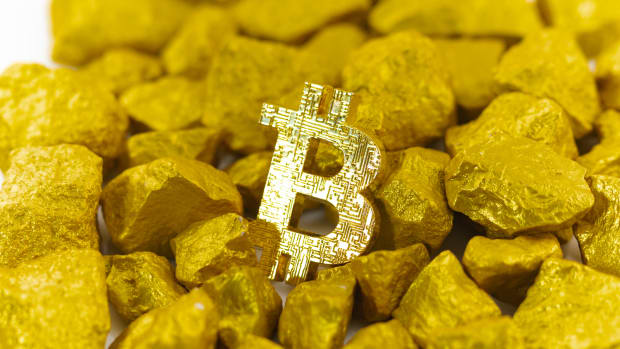
World’s Biggest Private Gold Owner Enters Top Five Bitcoin Holders
Tether Strengthens Its Position as a Major Bitcoin Holder
Stablecoin issuer Tether started 2026 with a notable expansion of its Bitcoin holdings, propelling the company into the ranks of the largest known holders of the cryptocurrency in the world.
The firm added 8,888 Bitcoin to its disclosed balance on December 31, 2025, making this latest acquisition one of the most significant buys in its recent history. Valued at roughly $778–$780 million at the time of purchase, this move brought Tether’s total publicly acknowledged Bitcoin stash to more than 96,000 BTC.
At current market prices, this sizable hoard represents a multibillion‑dollar reserve, solidifying Tether’s position among the top five largest publicly known Bitcoin holders worldwide.
Even amid the intense volatility that marked Bitcoin trading in late 2025, Tether’s strategy has remained consistent: steadily increasing its exposure to the world’s leading digital asset as part of a broader reserve diversification plan.
This accumulation comes at a time when Bitcoin adoption by institutional players and large corporations has grown sharply, underscoring the asset’s appeal beyond casual retail investors.
Tether’s Bitcoin strategy is not standalone. The company has long signaled its interest in positioning digital assets as central components of its treasury mix. Over the past year, it has regularly allocated a portion of its quarterly earnings toward Bitcoin purchases—often up to 15% of quarterly profits—reinforcing its role as an active and persistent buyer.
Gold and Bitcoin: A Dual Approach to Treasury Strategy
Alongside Bitcoin, Tether’s balance sheet reflects a variety of other reserve assets, such as cash and U.S. government securities. But perhaps most intriguing to market observers has been its expanding commitment to hard assets like gold.
Even before this Bitcoin acquisition, Tether had quietly amassed a significant physical gold reserve, now believed to total well over 100 metric tons. This accumulation of gold places it among the largest private holders of physical gold globally—standing shoulder to shoulder with some sovereign entities and central banks.
By the third quarter of 2025, Tether’s vault holdings reportedly surpassed many institutional and private investors, even rivaling nations whose gold reserves are publicly listed. The company’s gold strategy has been highlighted by analysts as unusually aggressive for a corporate entity, particularly one rooted primarily in the digital finance sector.
In combination, Tether’s Bitcoin and gold positions paint a picture of a firm embracing both traditional and emerging stores of value. This dual approach suggests a belief that diversification across asset classes can provide treasury resilience through market cycles—a thesis that has gained traction following years of heightened macroeconomic uncertainty.
The strategy also signals a broader trend: major companies are increasingly blending conventional and digital assets to hedge against inflation, currency instability, and geopolitical risks. By combining gold and Bitcoin, Tether positions itself as a model for corporate treasury innovation in a rapidly evolving financial landscape.
Market Confidence and Regulatory Scrutiny
Despite these strategic moves, Tether has not been immune to criticism. The firm’s transparency regarding its reserves has repeatedly come under scrutiny from rating agencies and industry watchers. In late 2025, one major analytics provider downgraded Tether’s risk rating, citing ongoing gaps in disclosure practices and growing allocations to what the agency described as higher‑risk asset classes.
The critique focused on the opaque nature of some reserve components, including digital assets, gold, corporate debt instruments, and secured loans. Critics have argued that without fully transparent reporting, it can be difficult for investors and regulators to confidently assess the real backing of stablecoins like USDT.
Tether publicly rejected those concerns, arguing that its track record of stability, market liquidity, and redemptions—even during periods of extreme financial stress—demonstrates the strength of its reserve framework.
In its defense, Tether points to its performance during past market turbulence, including bank failures, exchange collapses, and liquidity shocks that tested many firms in the crypto ecosystem. Supporters argue that Tether’s ability to maintain USDT stability through such events should factor into any evaluation of its reserve practices.
Regulatory scrutiny, however, is not expected to ease anytime soon. Stablecoins remain a focal point for financial regulators worldwide, who are increasingly concerned about transparency, consumer protection, and potential systemic risks. How Tether navigates these pressures could have broader implications for the crypto industry as a whole.
Implications for the Crypto Ecosystem
Tether’s growing Bitcoin holdings underscore the increasing role of institutional actors in the digital asset market. Large, well-capitalized entities can move markets, influence liquidity, and provide a stabilizing force amid volatility.
The accumulation also strengthens the narrative of Bitcoin as a credible store of value. As more corporate and institutional players publicly disclose large positions, the perception of Bitcoin shifts from a speculative asset to a strategic treasury allocation.
Meanwhile, Tether’s combined gold and Bitcoin strategy may inspire other firms to diversify their reserves in similar ways. Analysts suggest that companies could increasingly adopt hybrid treasury models, balancing traditional assets like gold and bonds with digital assets to achieve both stability and growth potential.
For the broader cryptocurrency market, Tether’s prominence reinforces the ongoing convergence of traditional finance and digital finance. Firms with large digital asset portfolios are setting precedents for custody, reporting, and risk management that could shape regulatory standards for years to come.
In terms of global rankings, Tether’s Bitcoin holdings now place it among a short list of well‑capitalized entities that include exchanges, asset managers, and corporate treasury programs that have publicly disclosed large Bitcoin balances. While exact standings can vary depending on how “holders” are measured—such as custodial versus owned assets—Tether’s disclosed wallet is widely considered one of the top five largest.
Overall, Tether’s strategy highlights a new era of treasury management where traditional assets like gold coexist alongside digital currencies, blending stability, growth, and innovation in a single portfolio.